In the Beginning
(Last edited 5/14/2026)
My real entry into the computer world coincided with the Internet’s rise, the Quake craze (especially GLQuake on Voodoo cards), and the DIY PC boom. Fresh out of high school in the late ’90s, it felt like anything was possible. Sure, I had used 286s in high school and PETs and Apple IIs in grade school, but none of that compared to building my own rig when component prices that allowed me to do so plunged.
After a few years, I landed a job as head of tech support for an online PC hardware retailer in Tampa, FL. We helped customers assemble custom mix-and-match machines that outpaced and undercut department-store rigs. In 1999, AMD’s K6 and Athlon chips ruled, and motherboards from Abit, MSI, and Asus flew off our virtual shelves. Our “top quality” power supplies, though, were often dismissed as “too expensive.”
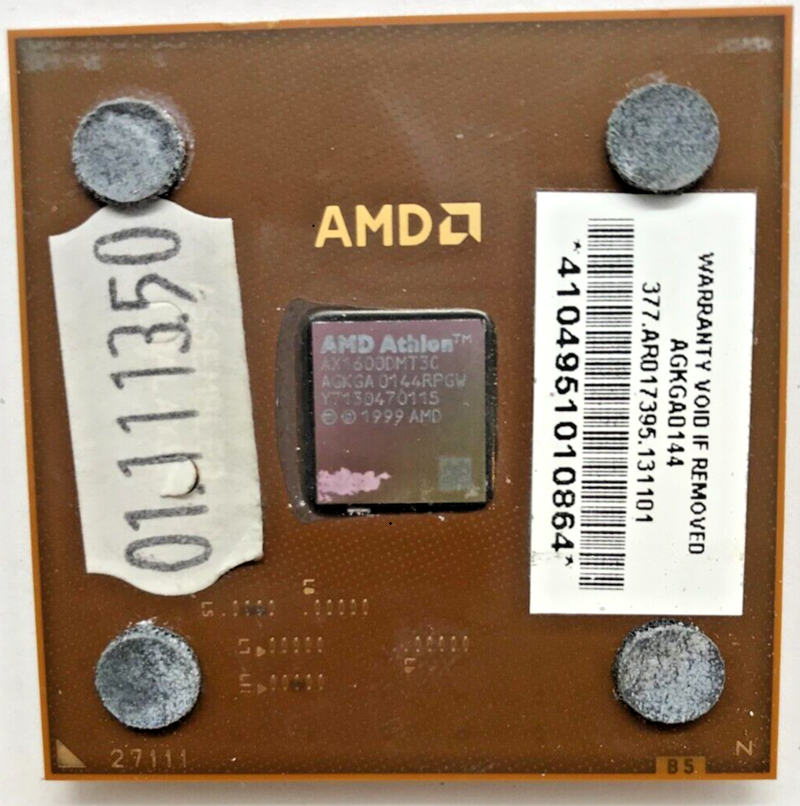
We backed every sale with phone, email, and chat support and a one-year warranty on parts, and a two year warranty on our fully built systems. To honor those commitments, reliability was nonnegotiable. Early on, we discovered that the single biggest culprit in failures was the cheap PSUs preinstalled in most cases. From then on, we stocked only high-quality units from Antec, Enermax, and Super Flower. Although most orders shipped worldwide, our local will-call counter buzzed daily. Just down the street, a rival pushed low-cost builds— Cyrix CPUs on ECS motherboards, fitted with Powmax or Raidmax PSUs, and marketing Diablotek and Aspire (now Apevia) as their “premium” options, even though those still lagged considerably in quality.
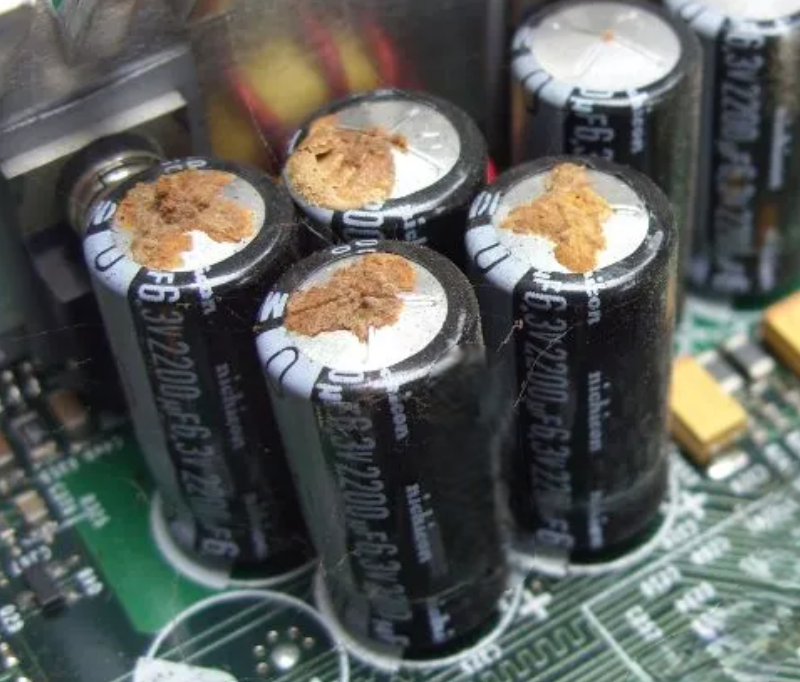
Even Nichicon capacitors are prone to bad power.
The particular failures we were seeing with our motherboards were due to something more insidious: AC ripple current and the power supply's failure to adequately filter it out. This shift in focus is what drew me to power supplies, and it’s where this e‑book begins.